
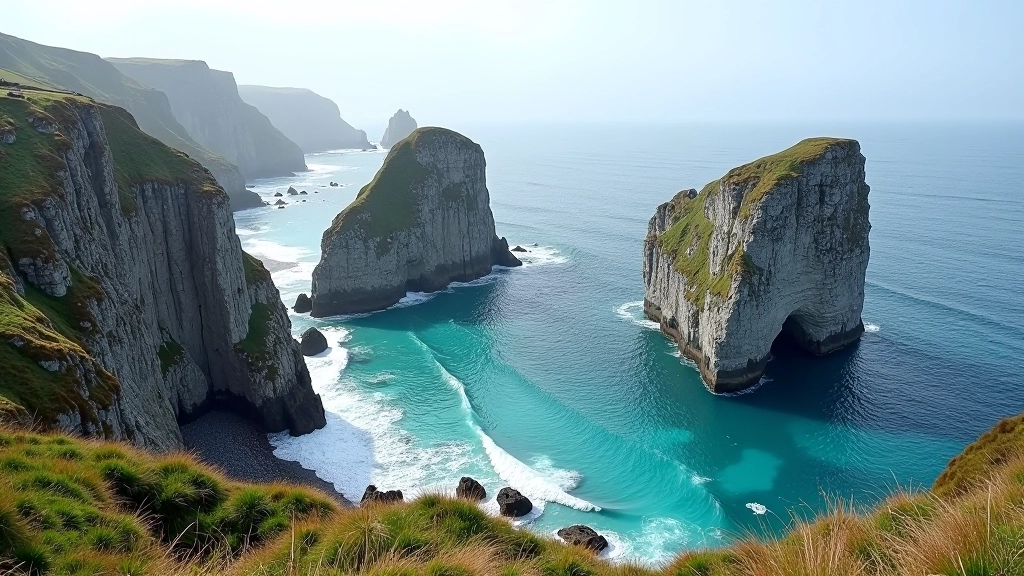
Assaranca Waterfall Approach for Walkers
A gentle 5km woodland walk to one of Donegal's most peaceful waterfall viewpoints — no scrambling required

Why This Route Works for Everyone
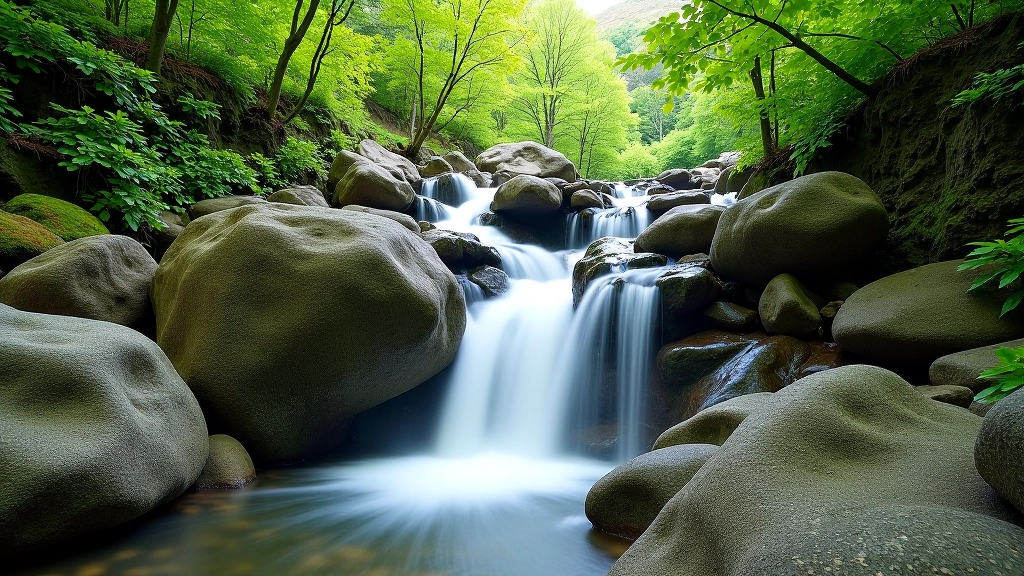
The Assaranca approach isn't the most famous waterfall walk in Donegal — and that's exactly why we love it. While other routes demand steep climbs and scrambling skills, this path meanders through quiet woodland at a comfortable pace. You'll reach a sheltered viewing area where the waterfall tumbles into a rocky pool, surrounded by moss-covered boulders and ancient oak trees.
It's perfect if you've got dodgy knees, prefer not to scramble over rocks, or simply want a peaceful afternoon in the forest. The 5km round trip takes most people 2.5 to 3 hours at a leisurely pace — plenty of time to stop, rest, and actually enjoy the scenery without feeling rushed.

The Route at a Glance
Distance
5 km
Duration
2.5–3 hours
Elevation
150 m gain
Surface
Woodland paths
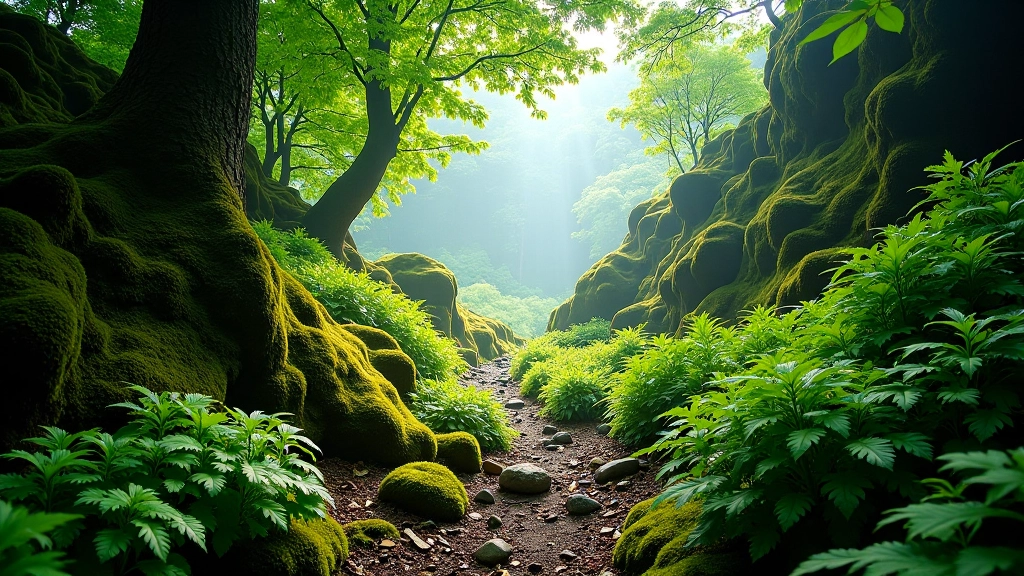
This isn't a technical hike. The path follows established woodland trails with minimal scrambling. You'll encounter tree roots, some uneven ground, and possibly muddy patches after rain — but nothing that requires special equipment. Sturdy walking shoes with good grip are essential though. The elevation gain is gradual, spread across the entire route, so it doesn't feel like you're climbing steeply anywhere.
What You'll Actually Experience
The walk begins at a small parking area near Ardara. From there, you'll follow a forest track uphill through mixed woodland — mainly oak and birch with dense undergrowth. The path is well-marked with occasional waymarkers, so navigation is straightforward. After about 45 minutes of steady climbing, the gradient eases and the landscape opens slightly, revealing glimpses of the valley ahead.
You'll reach several small clearings with natural resting spots — moss-covered logs and flat rocks where you can catch your breath. Don't skip these. The final approach to the waterfall viewpoint takes another 20 minutes through quieter forest. When you arrive, you're greeted by the sound of water echoing through a rocky amphitheater. The waterfall itself isn't enormous, but it's genuinely beautiful — the water cascades over moss-covered rocks into a dark pool surrounded by ferns and boulders. Most walkers spend 30 minutes to an hour here before heading back the same way.
Important Information
This guide is informational and educational. Hiking conditions, trail maintenance, and accessibility can change due to weather, seasonal factors, and land management. Always check local conditions before visiting, carry appropriate safety equipment, and consult with local visitor centers for current information. If you have mobility concerns or health conditions, we recommend speaking with your healthcare provider before attempting any hiking route. Weather in Donegal changes rapidly — be prepared for rain and fog regardless of the forecast.
Explore More Donegal Walks
What to Bring
Water & Snacks
Bring at least 1.5 liters of water. The route has no water sources, so you'll need to carry what you need. Bring energy bars or sandwiches — there are no facilities on the trail.
Waterproof Jacket
Donegal weather's unpredictable. A lightweight, packable waterproof is essential. Rain can appear suddenly, and the forest canopy won't fully protect you.
Sturdy Walking Shoes
The trail's muddy and rooty in places. Proper walking boots or shoes with ankle support and grip are essential. Trainers won't cut it — you'll slip.
Map & Phone
While waymarked, carry a map or download the route on your phone. Signal can be spotty, so don't rely solely on GPS. The trail's well-established, but it's good to know where you are.
Practical Tips for a Comfortable Walk
Start early in the day — you'll avoid afternoon crowds and have better light for photos. The forest doesn't get busy, but morning visits feel more peaceful. Wear layers. Even in summer, the forest stays cool, and you'll warm up as you climb. A fleece under your jacket works perfectly.
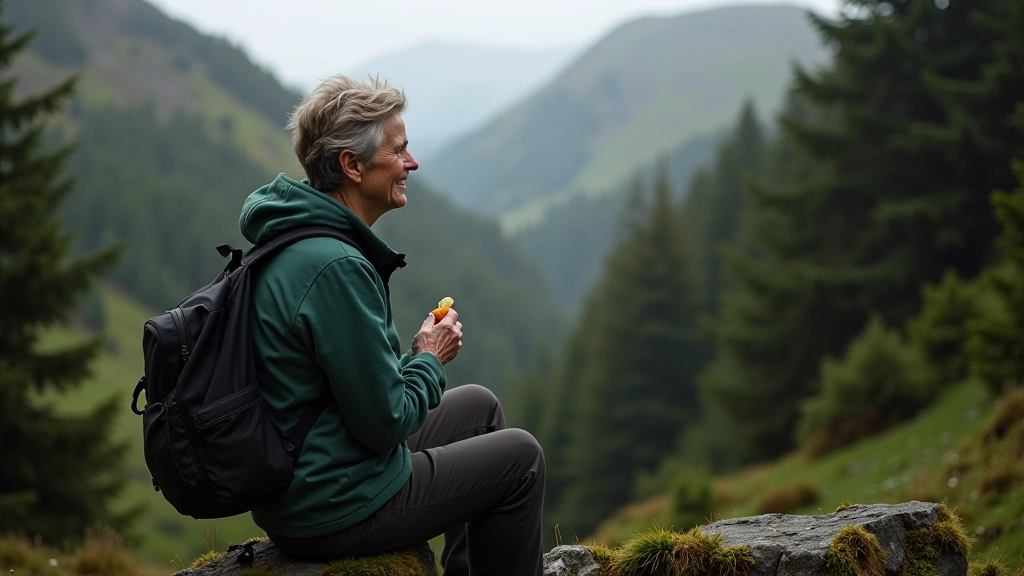
Take breaks regularly. Don't wait until you're exhausted. The small clearings are natural resting spots, and there's no shame in sitting down for 10 minutes to catch your breath and enjoy the quiet. In fact, that's what the walk's about — taking your time and actually noticing things. Gaiters are optional but helpful if you've got long trousers. Mud won't be a problem, but gaiters keep your socks dry, which matters when you're spending three hours outdoors.
The parking area near Ardara has a few spaces, but it fills on weekends. Arrive before 10 a.m. if possible. There's a small village shop in Ardara if you need to grab anything you've forgotten. The return journey's the same route, so you'll know what to expect — there are no surprises on the way back.
Best Times to Visit
The Assaranca approach is walkable year-round, but each season brings something different.
Spring (April–May)
The forest comes alive with bluebells and fresh green growth. Days are getting longer, so you've got good light until early evening. The waterfall flow is strong from winter rainfall.
Summer (June–August)
The best time if you prefer reliably longer daylight hours. The forest's lush and cool even when it's warm elsewhere. The trail's driest in July. Midges can be annoying on still days — bring insect repellent.
Autumn (September–October)
Stunning golden light and changing leaf colors make this season special. The air's crisp, and the waterfall flow's still healthy. October can get muddy if it rains heavily.
Winter (November–March)
The walk's quietest and most atmospheric. Bare trees give different views. The waterfall's at full force from winter rain. Days are short — be prepared to finish before darkness. The trail can be slippery with wet leaves and mud.
A Walk Worth Taking
The Assaranca waterfall approach isn't famous, and that's its greatest strength. You won't find crowds or Instagram-ready photo spots — you'll find genuine peace and the kind of natural beauty that doesn't require extreme fitness or scrambling skills. It's a walk that suits people who value quiet time, clear air, and the simple satisfaction of moving through a beautiful landscape at their own pace.
Whether you're looking for an afternoon away from daily life, recovering your confidence after a break from walking, or introducing someone new to hiking, this route delivers exactly what it promises: a gentle, accessible path to something genuinely worth seeing. Bring good shoes, plenty of water, and a willingness to move slowly. The waterfall will still be there waiting.
Ready to Explore More?
Discover other accessible walking routes across Donegal