
Maghery Sea Stacks Walking Route
A scenic 4km coastal loop featuring dramatic sea stack formations and hidden coves. Mostly flat with short sections of gentle slopes, ideal for a leisurely morning or afternoon walk.

What You'll Experience
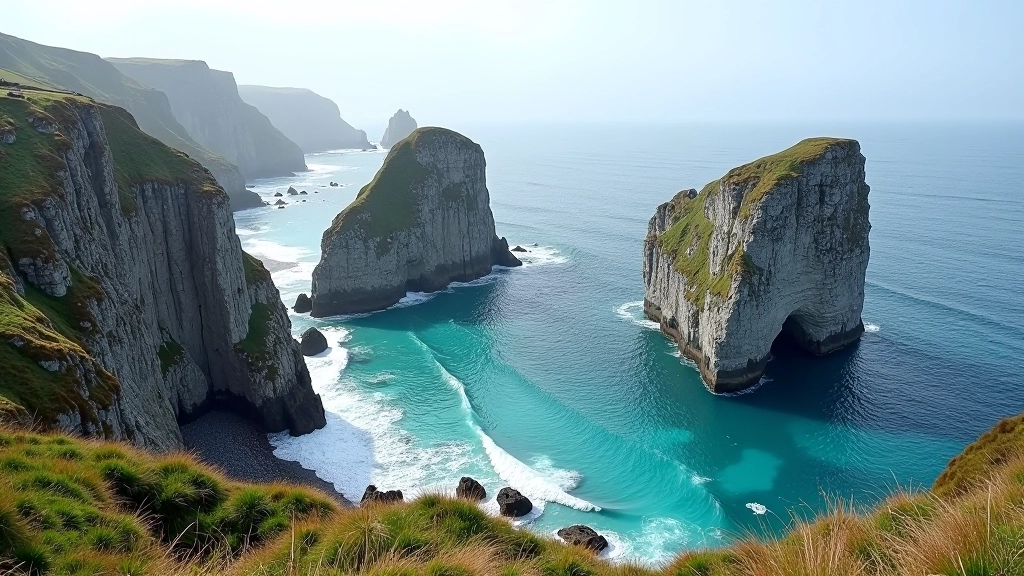
This route isn't just a walk — it's a proper coastal experience. You're looking at stunning rock formations that've been sculpted by Atlantic waves over thousands of years. The path hugs the cliffs without demanding serious climbing, so it's genuinely manageable for most fitness levels.
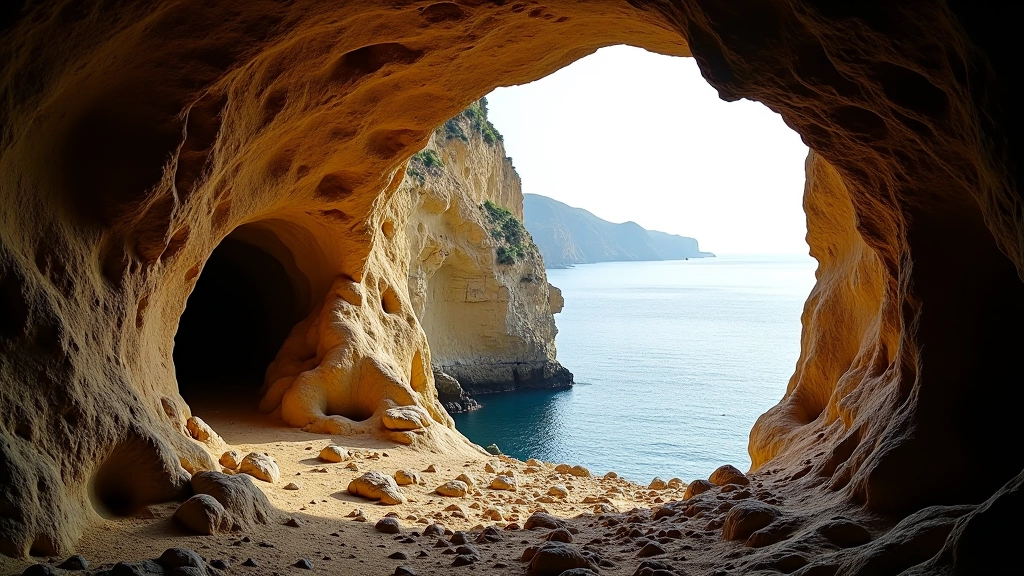
You'll discover hidden coves where the sea crashes against ancient stone, viewpoints that stretch for miles on clear days, and sections where you can sit and simply watch the water. The whole loop takes roughly 90 minutes at a comfortable pace, but there's no rush here. Stop as often as you like.
The Route Layout & What to Expect
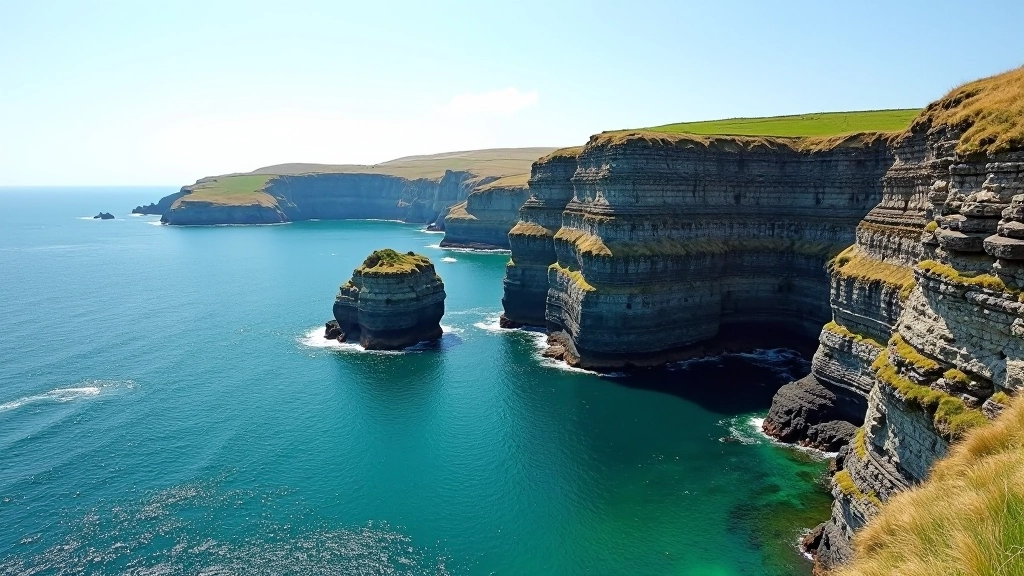
The walk starts near the small carpark at Maghery and follows a well-maintained coastal path. You'll get a sense of the scale immediately — those sea stacks rise maybe 30-40 metres from the waterline, and they're genuinely impressive up close.
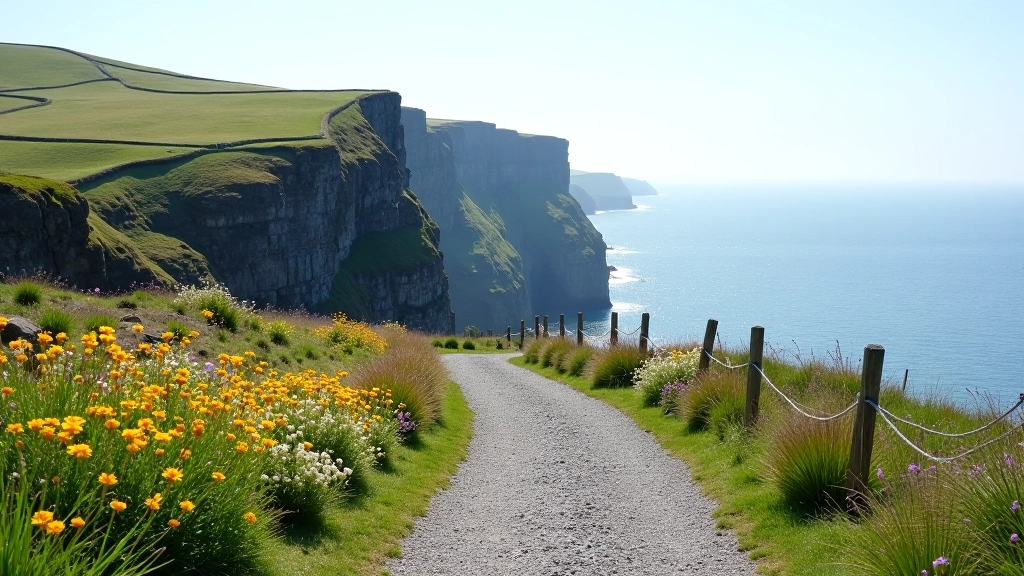
The first 800 metres is fairly level, hugging the cliff edge with good safety fencing where it matters. Then you'll dip slightly into a small valley where a stream runs down — there's a rustic footbridge here, and it's a popular spot for photos. After that, the path climbs gently for about 300 metres over maybe 15 minutes.
The elevation gain's modest — you're not ascending a mountain. It's more like climbing a set of stairs, but spread out over distance. Once you reach the high point around 1.5km in, you've got stunning vistas. On clear days you can see right across to the Donegal highlands.
Key Details at a Glance
Distance
4km loop
Duration
90 minutes (comfortable pace)
Elevation Gain
Approx 80-100 metres
Surface
Gravel path, some rocky sections
Important Safety Note
This guide is informational. Weather changes rapidly on coastal paths — wind can be particularly strong near cliff edges. Wear sturdy footwear with grip, bring a waterproof jacket even if it looks fine, and check local conditions before heading out. The path has railings in exposed sections, but it's still a cliff edge. If you've mobility concerns or balance issues, consider the Gentle Cliff Path route instead, which's been specifically designed with regular seating areas.
Why These Rocks Matter
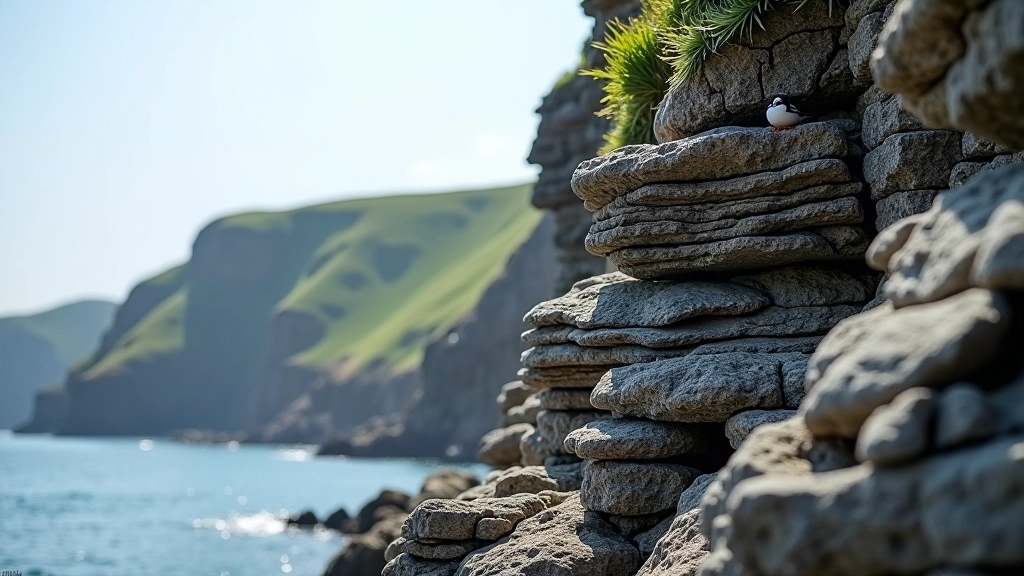
The sea stacks you're looking at aren't random piles of rock. They're remnants of ancient cliffs that've been carved away by the Atlantic over millennia. What you see now is the hardest stuff that survived — mostly Old Red Sandstone and metamorphic rock that resists erosion better than the softer material around it.
If you look closely at the striations in the rock face, you're literally seeing layers of geological history. Each stripe represents different conditions when the rock formed. The variety in colours — reds, purples, greys — comes from different mineral compositions and how they oxidised over time.
And there's life here too. You'll spot nesting sites for razorbills and guillemots in the cliff crevices, especially spring through summer. The seabirds are part of why this stretch of coast is protected. Don't approach nesting sites directly, but you'll get plenty of viewing opportunity from the path.
Making the Most of Your Visit
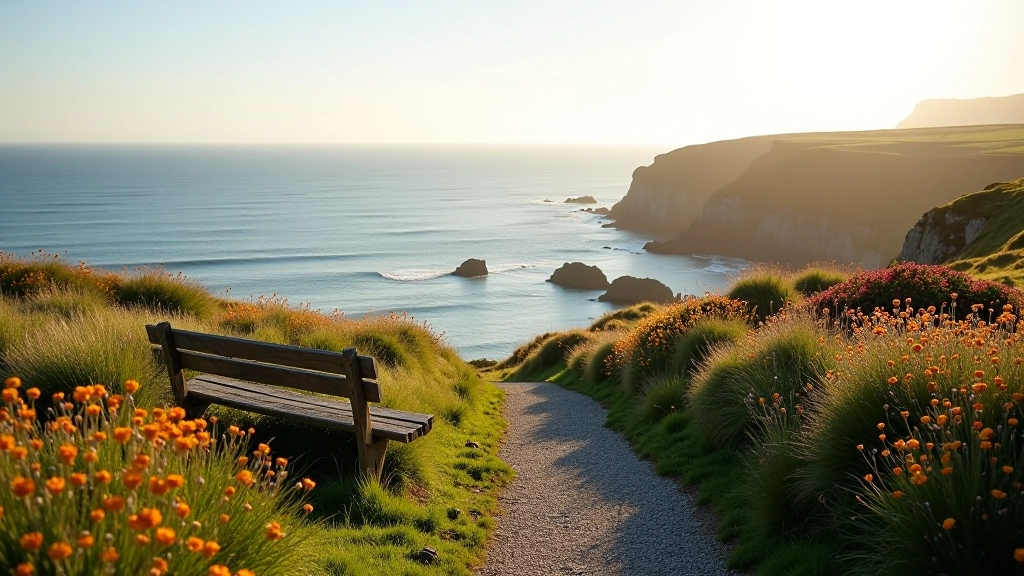
This route works well in almost any season, though late spring and summer bring the best light and wildflower displays. Bring binoculars if you're interested in birdwatching — you'll spot more from a distance anyway. A camera's essential if you're into photography; the light during golden hour is genuinely spectacular.
Timing matters too. You'll avoid crowds if you start early, especially on summer weekends. The carpark fills up by mid-morning. And honestly, the walk's different depending on tides — at low tide you can access small beaches below the cliffs that're hidden when the water's high. Check tide times before you go.
Bring enough water, wear proper footwear, and don't rush. The whole point of this route is to soak in the landscape. There's something genuinely restorative about standing on a cliff edge, watching the sea work on these ancient rocks, knowing they'll still be here in another thousand years. That's worth slowing down for.