
Maghery Caves Exploration Guide
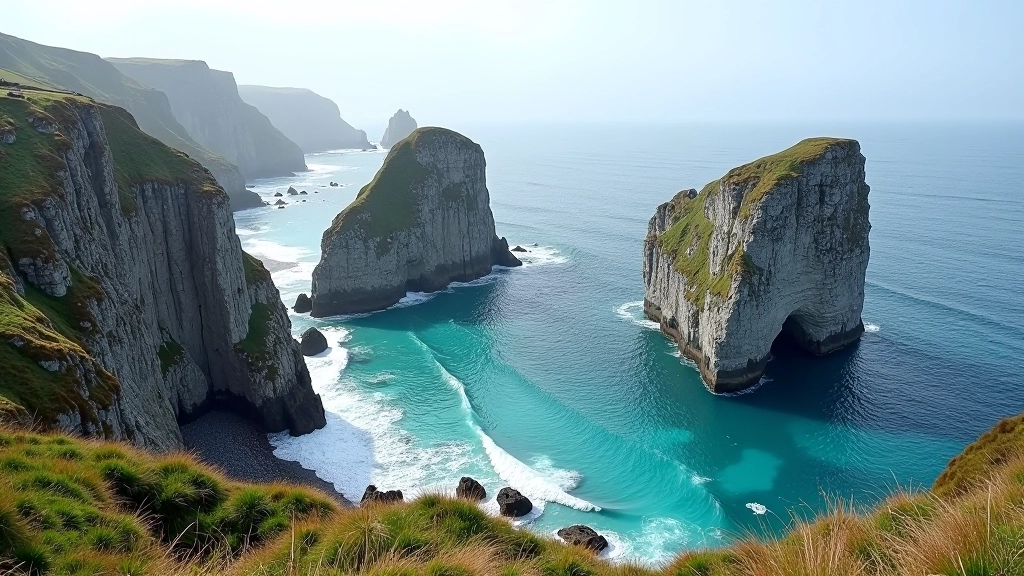
Discover the history and geology of Maghery's ancient sea caves. This 3km walk includes cave exploration, tide pool viewing, and fascinating coastal formations explained in detail.

Why These Caves Matter
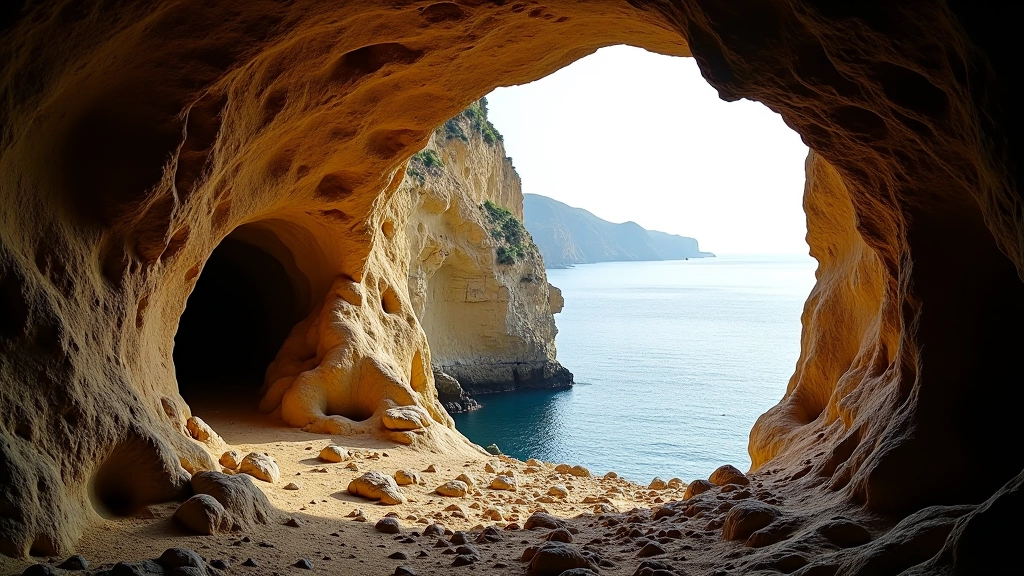
Maghery's sea caves aren't just spectacular views — they're a window into Ireland's geological past. Carved over millennia by Atlantic waves, these natural chambers tell the story of how our coastline formed. The walk itself is straightforward and accessible, making it perfect for anyone who wants to explore without technical climbing or scrambling.
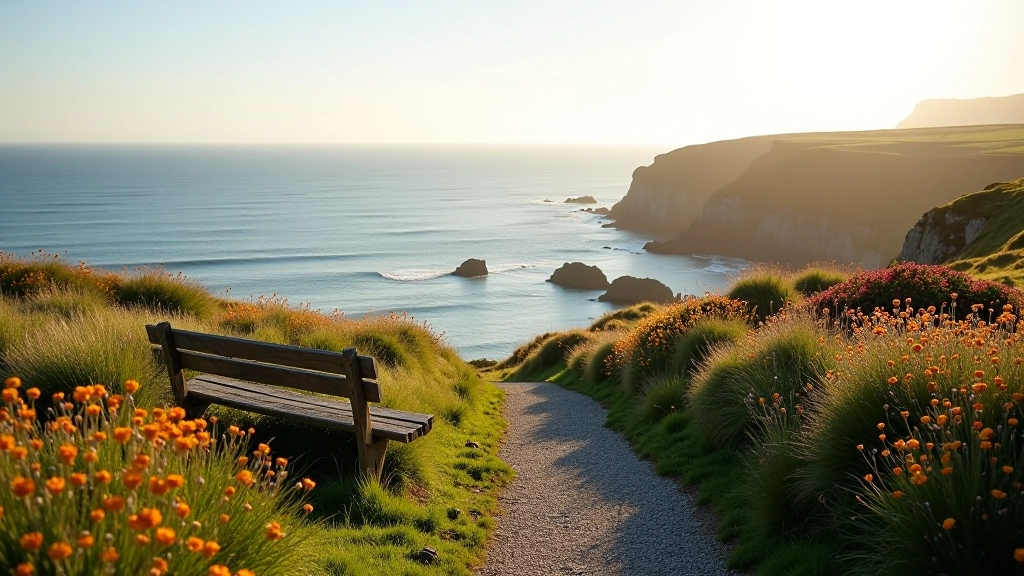
What you'll notice immediately is the contrast. Above ground, wild Donegal moorland stretches inland. Below, golden sandstone cliffs frame openings that lead into cool, echoing chambers where seabirds nest and tide pools teem with life. It's a remarkable place that doesn't require extreme fitness to enjoy properly.
Understanding the Stone
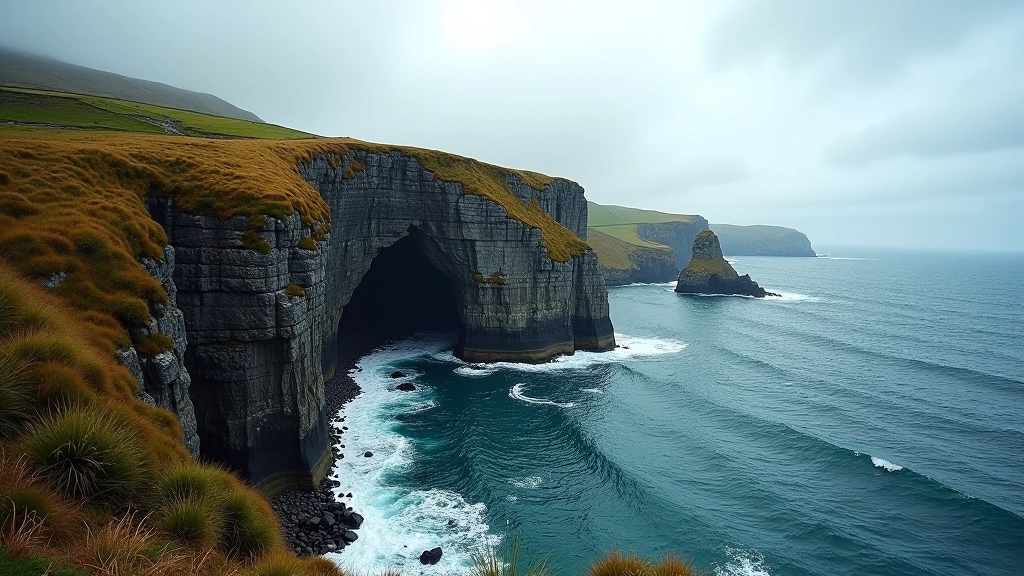
The caves here are carved from Old Red Sandstone — a rock type that's roughly 380 million years old. That sounds abstract until you're standing inside, running your hand along walls that were once part of an ancient desert, then a tropical sea, then shaped by ice age glaciers, and finally sculpted by modern waves.
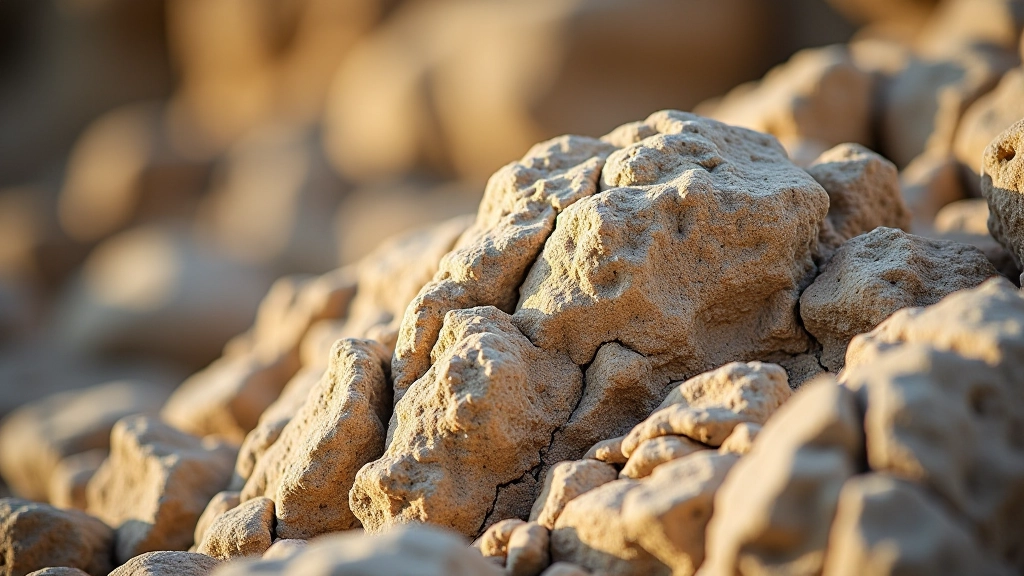
The color alone tells you something. That warm golden-orange tone means iron oxide in the stone. You'll see it's not uniform — darker bands indicate different mineral compositions laid down in different ancient environments. Where you see honeycomb-like pitting on the rock, that's salt spray erosion at work, literally dissolving the stone grain by grain.
The caves formed because sandstone has layers. Waves find the weaker spots between layers and attack them relentlessly. Over thousands of years, this creates voids. The biggest chamber you'll enter — about 30 meters deep — is the result of waves choosing the path of least resistance through the stone. Nature's patient engineering.
Before You Go: The Practical Details
Distance & Duration
3 kilometers round trip from the car park. Most people spend 90 minutes to 2 hours if you're exploring the caves thoroughly and checking tide pools.
Tide Timing
You'll want low tide to access the cave entrances safely and see the full beach area. Check tide times before leaving — a difference of 2 hours can mean access or a blocked route.
What to Bring
Proper walking boots with grip. The rocks are slippery from seawater and algae, especially in the cave approaches. A light jacket even in summer — caves stay cool and Atlantic wind is real.
Fitness Level
Easy to moderate. No steep climbs, but the terrain is uneven and you're walking on rocks and sand. Most people over 60 manage this comfortably if they're used to walking 3km.

Important Safety Information
This guide is educational and informational. Conditions at Maghery caves can change due to weather, tide, and seasonal factors. Always check current tide times, weather forecasts, and local advice before visiting. Coastal areas are inherently unpredictable — waves can appear suddenly, rocks are slippery, and visibility in caves is limited. Wear appropriate footwear, stay aware of your surroundings, and don't venture into caves if conditions feel unsafe. If you have mobility concerns or health conditions, consult a doctor before attempting this walk.
What You'll Actually See Inside
The main cave — locals call it the Big Chamber — is accessible at low tide. It's not a crawl or squeeze situation. You walk upright through a 5-meter-wide opening. Once inside, your eyes adjust to reveal walls sculpted by thousands of years of wave action. Geological features become obvious: horizontal striations showing different sand deposits, vertical cracks where water has widened existing weaknesses, smooth patches polished by sand-laden waves.
Around the chamber, you'll notice different zones. The floor near the entrance stays damp and slippery — that's the spray zone, wet from wave action even at low tide. Deeper in, it dries out. The walls show color variation from the top (darker, lichen-covered, exposed to rain) to the middle (golden sandstone, protected) to the base (orange, regularly wetted by tide).
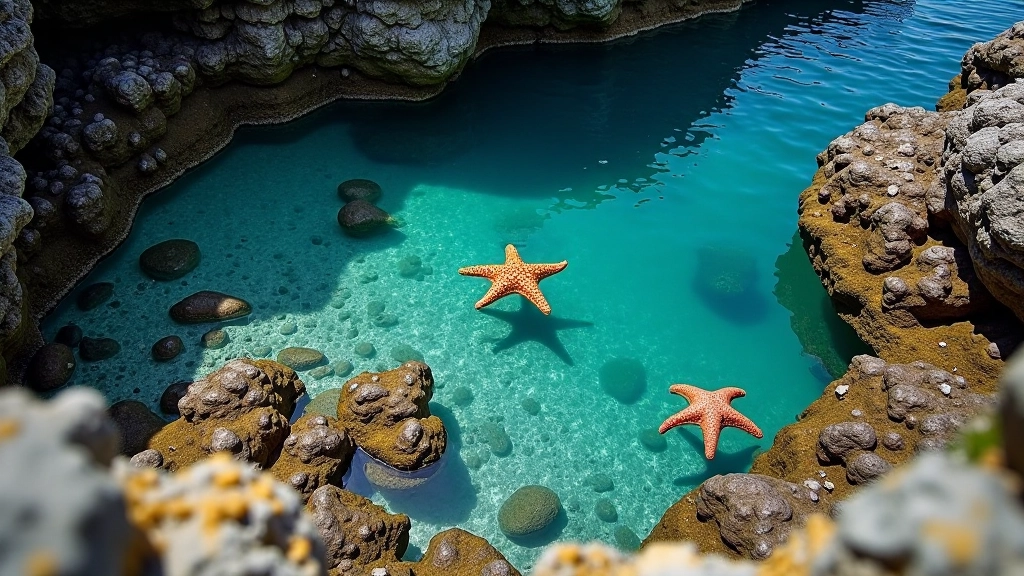
The tide pools are separate from the main cave but part of the same walk. At low tide, you'll find pools 30-60 centimeters deep trapped in rock depressions. These aren't aquariums — the life here is genuinely wild. Anemones, small crabs, starfish, and barnacles have adapted to this harsh zone where they're exposed to air for hours then submerged again. It's like peeking into an ecosystem most people never notice.
Making the Most of Your Visit
Maghery's caves aren't on most people's radar, which is part of what makes them special. You won't find crowds or commercialization. What you'll find is geology you can touch, ecosystems you can observe, and views that remind you why this coast has inspired people for centuries.
Plan your tide carefully, bring proper footwear, and allow yourself time to actually explore rather than rush through. The caves aren't going anywhere — they've been patient for millions of years. Take photos, touch the stone, watch for wildlife. This is the kind of walk where you come back knowing something you didn't know before. That's worth the trip.